
Climate Tax On Petrol, Diesel Under IMF Conditions
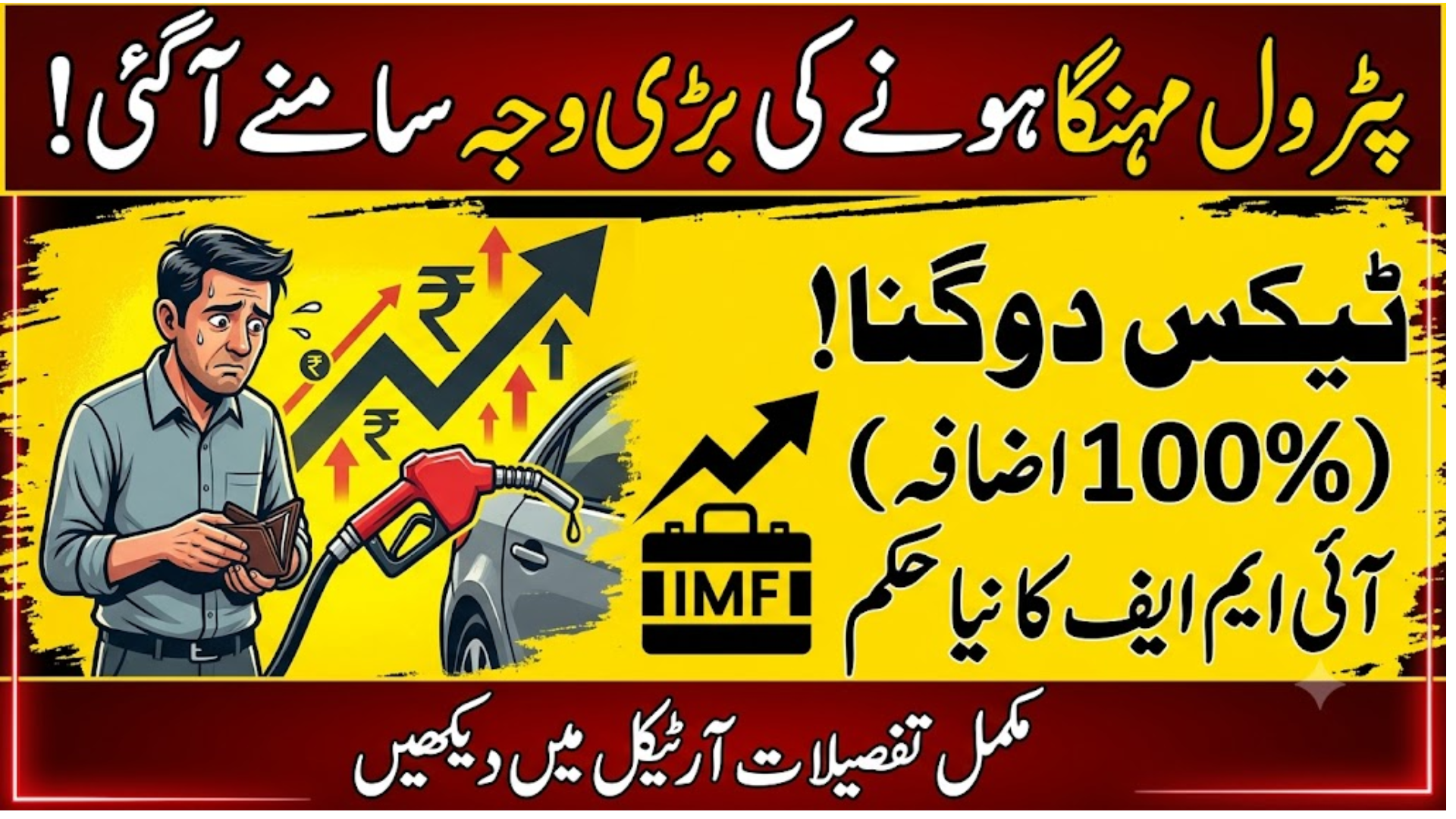
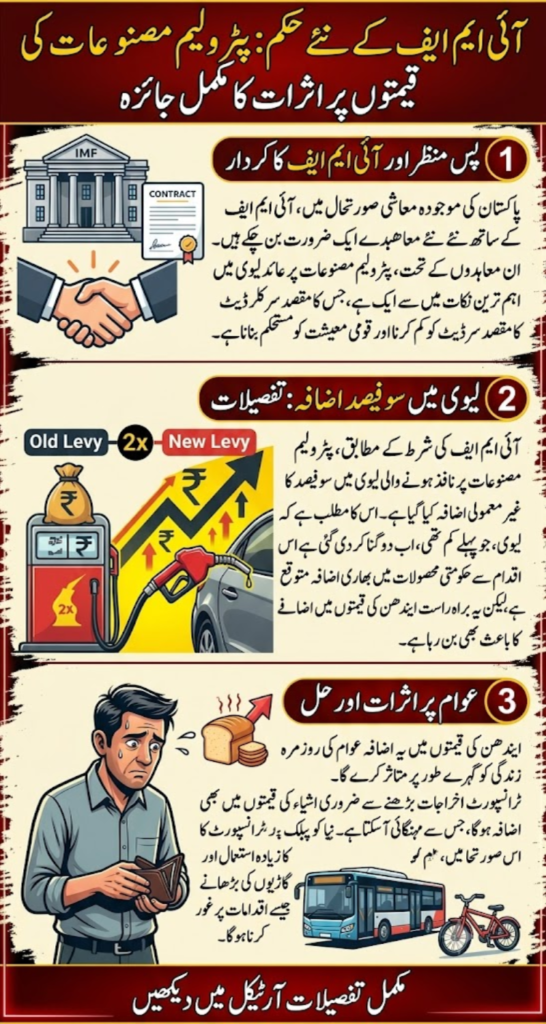
Pakistan hasn’t paid much attention to this small levy until now, but it’s about to hit the common man’s pocket directly. The federal government has doubled the climate support levy on both petrol and diesel, and this decision is directly tied to Pakistan’s financial commitments with the IMF.
This isn’t a minor change. Every time you fill up your bike or car, you’ll feel the effect of this new tax, whether international fuel prices go up or down.
Also Read: Where Is Ufone 5G Available In Islamabad? Full Coverage List
Quick Answer
Pakistan’s climate support levy on petrol and diesel has increased from Rs 2.50 per litre to Rs 5 per litre, a full 100 percent jump, effective July 1, 2026. The hike is part of Islamabad’s commitments under an IMF-backed climate and fiscal reform program aimed at boosting non-tax revenue and funding green energy transition projects across the country.
Quick Info Table
| Detail | Information |
| Previous climate levy | Rs 2.50 per litre |
| New climate levy | Rs 5 per litre |
| Increase | 100 percent |
| Effective date | July 1, 2026 |
| Linked program | IMF climate and fiscal reform commitments |
| Applies to | Petrol and High-Speed Diesel (HSD) |
Also Read: BISP 8171 July 2026 Payment Update New Notification Indicates Installments Start From 2 July
Why Has the Government Raised the Climate Levy
The climate support levy was first introduced at a small rate of Rs 2.50 per litre, largely as an entry-level tool inside Pakistan’s fuel pricing structure. Officials treated it as a formal first step toward a wider carbon pricing system rather than a major revenue source on its own.
That approach has now changed. Under the government’s ongoing IMF program, Islamabad has agreed to steadily raise this levy, and analysts believe the current jump to Rs 5 per litre is only the beginning of a longer climb expected to continue over the next few budget cycles.
- Levy doubled from Rs 2.50 to Rs 5 per litre
- Applies uniformly to petrol and diesel
- Positioned as part of a broader carbon pricing roadmap
- Expected to rise further in coming fiscal years
The IMF Connection Explained
This levy hike did not happen in isolation. It sits inside a larger climate reform package that Pakistan agreed to under a Resilience and Sustainability Facility arrangement with the International Monetary Fund, a program specifically built around climate-linked fiscal targets.
As part of that same agenda, the government has committed to directing a share of infrastructure spending toward climate-related projects, introducing mandatory climate impact assessments for large development schemes, and building a climate budgeting system at both federal and provincial levels. The fuel levy hike is simply the most visible piece of a much wider fiscal restructuring effort.
Also Read: New BISP Dynamic Survey Starts August 2026 Official Letter Issued
How Much Extra Will Consumers Pay
For an average motorbike rider filling a five litre tank, the new levy alone adds roughly Rs 12.50 compared to the earlier rate. For car owners and transporters filling larger tanks, the difference becomes far more noticeable over a month of regular use.
The climate levy is only one layer inside a much bigger tax structure already sitting on top of every litre of fuel sold in the country. When combined with the petroleum levy, customs duty, and other charges, total government-imposed taxation on petrol has already crossed Rs 130 per litre in recent pricing cycles, according to petroleum division data reported by local business outlets.
Impact on Transport and Everyday Prices
Fuel taxation rarely stays contained to the petrol pump. Transport fares, freight charges, and the cost of moving goods across cities tend to rise soon after any fuel-related tax increase, and this pattern is already familiar to Pakistani households after repeated levy hikes over the past two years.
Diesel carries particular weight here because it powers trucks, tractors, and irrigation pumps used across the country’s farming and freight sectors. Any additional charge on diesel typically works its way into food prices and logistics costs within weeks, making this levy hike more than just a petrol pump issue.
- Higher transport fares expected in major cities
- Freight and logistics costs likely to rise
- Agricultural input costs may increase due to diesel-dependent machinery
- Ripple effect expected on food and grocery prices
Also Read: AIOU Autumn Semester 2026 Admissions Announced Apply Online Before Last Date
What the Government Says
Petroleum Minister Ali Pervaiz Malik has previously defended similar levy increases by stating that the government had absorbed rising international fuel costs for as long as it could before passing on the burden. Officials close to the matter describe the climate levy specifically as a necessary step to unlock continued IMF funding tranches tied to Pakistan’s broader reform commitments.
The government has also linked part of this climate-focused agenda to future electric vehicle incentives, with an announced target of shifting 30 percent of new car sales and 50 percent of new motorcycle sales toward electric models by 2030. Revenue collected through the climate levy is expected to eventually support subsidies tied to this transition.
What This Means for the IMF Program
Pakistan’s current fiscal understanding with the IMF ties non-tax revenue collection, including petroleum and climate levies, directly to loan tranche approvals. Missing these collection targets could trigger further mid-year adjustments through statutory regulatory orders, often without a full budget debate in parliament.
Institutions such as the Federal Board of Revenue and the Ministry of Finance are jointly responsible for tracking these targets, and any shortfall typically results in a fresh round of levy or tax adjustments later in the fiscal year. This is why analysts expect the climate levy to keep climbing rather than stabilize at its current Rs 5 per litre rate.
Also Read: WhatsApp Launches Username Feature Hide Your Phone Number And Chat More Privately
FAQ
Q1: What is the new climate tax rate on petrol and diesel?
The new rate is Rs 5 per litre, up from the earlier Rs 2.50 per litre.
Q2: When did the climate tax increase take effect?
The revised rate became effective from July 1, 2026.
Q3: Why did the government increase the climate levy?
The increase is part of Pakistan’s commitments under its IMF-backed climate and fiscal reform program.
Q4: Does this levy apply to both petrol and diesel?
Yes, the climate support levy applies equally to petrol and High-Speed Diesel.
Q5: Will fuel prices increase further because of this tax?
The levy adds directly to the retail price, and further increases are possible if IMF-linked revenue targets are not met.
Q6: Is this levy separate from the petroleum levy?
Yes, the climate support levy is a separate, smaller charge that sits alongside the much larger petroleum levy already applied on fuel.
Q7: How does this affect transport fares in Pakistan?
Transport operators typically adjust fares upward after fuel tax hikes, so commuters may see indirect price effects within weeks.
Conclusion
The climate levy hike may look small on paper, just Rs 2.50 more per litre, but it fits into a much larger pattern of IMF-linked fiscal adjustments that have steadily reshaped Pakistan’s fuel pricing over the past two years. With further increases already expected in future budget cycles, this levy is quickly becoming a permanent fixture rather than a temporary measure. For now, Pakistani households and businesses will need to factor this extra cost into their monthly budgets, while keeping an eye on whether the promised electric vehicle incentives and climate spending actually follow through on the ground.
Also Read: Pakistan Monsoon Rain Alert 2026 PMD Warns Of Heavy Rainfall Across Multiple Regions